cadfoundation

the logo for the Alzheimer's Legacy Lab

The Alzheimer’s Legacy Lab is Growing!

Five World Class Scientists –One Exceptional Lab The Alzheimer’s Legacy Lab continues to grow. Back in 2022, when we began this journey of funding an Alzheimer’s research lab at the University of Minnesota, our team was dedicated—but small. It consisted of Dr. Liam Chen, who heads the Neuropathology Department (and also teaches and serves on the Medical School’s administrative team), and me. At the time, Dr. Chen reluctantly admitted that the NIH would not be funding his work on the Microbial/Infectious Hypothesis of Alzheimer’s Disease (MAD). And without funding, he explained, a lab could not be opened and I may as well have my dad’s brain  back.In that moment, the idea my dentist-dad and I had talked about many times before … came to life: What if I raised the money myself to fund this critical work?Hundreds of hours—and thousands of dollars—later, the CAD Foundation was born and over the next year we entered into a Sponsored Projects Agreement [SPA] with the University of Minnesota Medical School. This unprecedented agreement holds our feet to the fire. We are contractually obligated to fund the lab until the scientists fully explain the irrefutable overlap between Alzheimer’s disease and periodontal disease (and other infections within the human body) and how we can stop these infections from causing harm to the brain.  We also differentiated ourselves further by agreeing to pay all administrative costs of the research work ourselves – PLUS we agreed that the researchers can pivot their research – provided the CAD Foundation’s scientific committee agrees the change is warranted. Already this has occurred — and as a result, we were able to shave 12 months off the lab’s timeline!    As we near the end of 2025, we’re excited to share that The UMN Alzheimer’s Legacy Lab now has deep, committed, and highly capable support—1) within the lab 2) across the CAD Foundation and 3) with our funding partners: YOU. This blog post is our way of keeping you informed about the growth and accomplishments of the scientific team that are making this progress possible… Meet Liam Chen M.D. PhD Dr. Chen is a nationally respected neuroscientist and neuropathologist whose work focuses on understanding what causes neurodegenerative diseases, including Alzheimer’s and Parkinson’s.He is a faculty member at the University of Minnesota, where he leads research exploring the biological mechanisms that drive brain degeneration. Dr. Chen trained at top institutions around the world, earning his medical degree in China, completing a PhD in genetics in Canada, and finishing advanced pathology and neuropathology training at Harvard Medical School.His research has been published in leading scientific journals, including Nature and the Journal of Alzheimer’s Disease, and he is also an inventor, holding a patent related to proteins involved in Alzheimer’s and other neurodegenerative disorders.In addition to his research, Dr. Chen serves in leadership and mentoring roles within the scientific community, helping guide the next generation of researchers. His experience, global training, and proven track record make him uniquely qualified to lead innovative Alzheimer’s research. Meet Na Yin, PhD. Dr. Yin is an accomplished research scientist and the heart of our lab operations. With 15 years of experience in translational research spanning neuroscience and oncology, she brings a wealth of technical expertise and leadership to every project. Na is skilled in advanced techniques including proteomics, genomics, and a variety of molecular and biochemical assays, ensuring that our experiments are executed with precision and rigor.Beyond her technical skills, Na excels at fostering collaboration, mentoring team members, and communicating complex scientific findings clearly—whether in academic publications or presentations. Her dedication and organizational talent keep the lab running smoothly, making her an indispensable part of the CAD Foundation’s mission to accelerate Alzheimer’s research. Meet Javier Redding-Ochoa, MD. Dr. Redding-Ochoa is a physician–scientist trained in anatomic pathology with deep expertise in neuropathology and neurodegenerative disease. He earned his medical degree in Mexico City and completed a full residency in anatomic pathology at one of Mexico’s leading national medical institutes.Since 2019, he has examined more than 500 human brains, developing rare hands-on expertise in neurodegeneration, forensic neuropathology, and brain banking. He completed advanced postdoctoral research training at Johns Hopkins School of Medicine in the laboratory of Dr. Juan Troncoso, a nationally recognized leader in neurodegenerative disease research.At Johns Hopkins, he worked across both clinical and research settings, contributing to multiple collaborative studies from experimental design through publication, and gaining experience running a brain tissue repository—a critical asset for translational Alzheimer’s and neurodegeneration research.He is also an experienced educator, having delivered lectures to neurology residents, taught medical students in neuropathology workshops, and led specialized forensic pathology training for fellows and international pathologists.Driven by a commitment to patient-centered science and discovery, his career focus is on neuropathology, neurodegenerative disease, and translational research, with the goal of advancing understanding and treatment of disorders such as Alzheimer’s disease. Meet Han Tong MD PhD. Dr. Han Tong is a board-certified surgeon and neurodegeneration researcher with expertise in both general surgery and surgical critical care. Before joining the CAD Foundation team, he contributed to cutting-edge Alzheimer’s research at Rice University’s Alzheimer’s Disease Research Center, where he studied how the developing brain processes pain and explored structural brain changes linked to neurological conditions.Dr. Tong’s work bridges clinical care and neuroscience research, with publications in leading journals such as Pain, Journal of Integrative Neuroscience, and Arthritis & Rheumatology. He brings a deep understanding of neurodegenerative processes and a commitment to advancing research that could inform treatments and preventative strategies.As a member of the American Academy of Neurology, Dr. Tong strengthens the foundation’s mission by applying his expertise to uncover the underlying mechanisms of Alzheimer’s and related brain conditions, helping accelerate breakthroughs in neurological health. Meet Dr. Chuanyin Hu Dr. Hu, a highly skilled translational neuroscientist from Guangdong Medical College in Zhanjiang, China, joins the Alzheimer’s Legacy Lab in March 2026 to lead our comprehensive animal study—a central component of our research program. Her work includes animal models and in‑vivo studies relevant to neurodegeneration, inflammation, and nervous system function. She has co‑authored peer-reviewed research using rodent models to investigate neurological and behavioral outcomes related to oxidative stress, neuroinflammation, and apoptosis—all key

The Alzheimer’s Legacy Lab is Growing! Read Post »
dna, wallpaper hd, 3d wallpapers, biology, the science, dna helix, mac wallpaper, beautiful wallpaper, cool backgrounds, protein, molecule, molecular structure, chromosome, spiral, microbiology, laptop wallpaper, deoxyribonucleic acid, free background, full hd wallpaper, 3d, isolated, desktop backgrounds, 4k wallpaper 1920x1080, the medicine, gene, genetics, free wallpaper, wallpaper 4k, genetic material, laboratory, wallpaper, 4k, to provide, windows wallpaper, 4k wallpaper, fantasy wallpaper, dna, dna, dna, hd wallpaper, dna, dna

KNOW YOUR ALZHEIMER’S RISKS: #5 is GENETICS

77% of Late Onset Alzheimer’s Disease have NO genetic connection If a genetic mutation predisposes you to Alzheimer’s, then we would see a much stronger familial link for this disease – which we don’t.   What we do see is pretty shocking.  Of the multiple large scale studies we reviewed, 77% of Late Onset AD cases (referred to as LOAD) have absolutely NO family history of AD!  Which makes the slight (16%) of AD cases whose mother also died of the disease a bit underwhelming.   Here’s the Data that will leave you sleeping better at night A review of 3,342 confirmed AD cases shows:   *No Family History represented 77% of the cases  *Having a mother with AD represented 16% of the cases  *Having a father with AD represented 6% of the cases Yet many researchers suspect Alzheimer’s is genetic? When we look at Alzheimer’s Disease from genes as being the driver, this disease can be classified in one of two ways:  Early Onset – which has certain genes linked to it including: Amyloid Precurser Protein (APP) which is located on chromosome 21; Presenilin 1 (PSEN1) which is located on chromosome 14; Presenilin 2 (PSEN2) which is located on chromosome 14 Late Onset – which has not been determined to have a definitive (though suspected) link. The only gene, which is a natural mutation, is the APOE gene. More on that in a later post Different from early onset (EOAD), which we can link directly to our genes, The significantly more common form of Alzheimer’s – LOAD – is not so clear in its origin.   THE HYPOTHESIS Overtime it has come clear that three main lines of reasoning are emerging  as to what is causing LOAD – and only one relates to genetics.   1) APOE-4 Gene Variant Theory: aka the “mutating gene hypothesis” 2) The Beta-Amyloid Cascade Theory: aka the”protein-gone-wrong hypothesis” 3) The Opportunistic Pathogen Theory: aka the “microbial/infectious hypothesis” – which is the theory The CAD Foundation and the University of Minnesota are working together to figure out.   The first two theories hinge on the idea that the human body is the problem, that in the last 100 years – changes to our DNA are now manifesting in diseases such as Alzheimer’s.  The last theory hinges on the idea that environmental factors (such as what we are eating, and our lifestyle choices) are the issue. And that in the last 100 years changes in society (many considered “modern conveniences” are now manifesting in diseases such as Alzheimer’s.  DISCLAIMER Copyright © 2022 Curing Alzheimer’s Disease [EIN #88-3154550]  All Rights Reserved.  This information is not designed to replace a physician’s independent judgment about the appropriateness or risks of a procedure for a given patient. Always consult your doctor about your medical conditions. Curing Alzheimer’s Disease.com does not provide medical advice, diagnosis or treatment. Use of the site is conditional upon your acceptance of our terms of use.

KNOW YOUR ALZHEIMER’S RISKS: #5 is GENETICS Read Post »

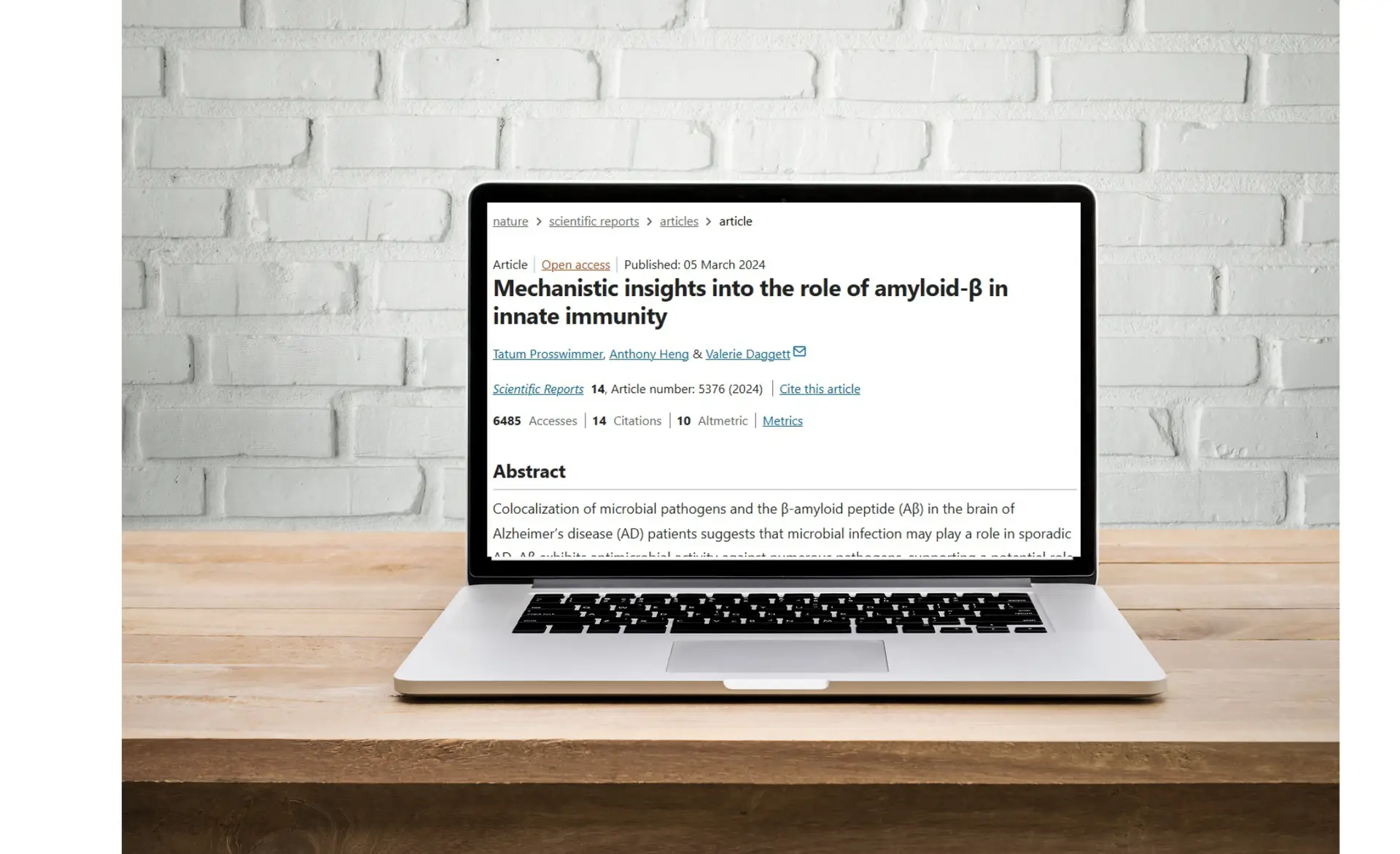
computer screen displaying a website

Is Alzheimer’s an Infection? How the Brain’s Immune System Might Hold the Answer

When we think about the immune system, most of us picture white blood cells fighting off a cold or healing a cut. But here’s something crucial to keep in mind: your brain has its own immune system that works entirely different than the rest of your body. As the CAD Foundation funds research into the microbial / infectious hypothesis of Alzheimer’s, this idea of the brain having its own immune system is very important. Especially in instances where something foreign ( environmental toxin or even a bacterial, viral, or fungal cell ) gets past the blood brain barrier where it’s not supposed to be.  You’d be lost if your brain didn’t have its own immune system. Literally. Instead of white blood cells, your brain uses immune cells called microglia to monitor, protect, and support its neurons. Microglia are essential for keeping neurons healthy — and alive. When neurons become sick or die, it affects how we think, feel, and function. That’s why keeping them safe is so important. Let’s break the brain’s immune system down cell by cell. And then look at what happens when things go awry. What Are Glial Cells? Microglia are just one type of glial cell — they are a group of non-neuron cells that play critical support roles in the brain. While neurons do the thinking, glial cells keep everything running smoothly. They provide structure, deliver nutrients, clean up waste, and help defend the brain. Interestingly, glial cells outnumber neurons in many parts of the brain. The word “glia” means “glue” in Greek—but they do way more than just hold things together. There are several types of glia, but for brain cleaning and immune function, the most important are: These tiny (thus the term micro), spider-shaped cells are basically the brain’s built-in security guards. They’re constantly patrolling, looking for anything that shouldn’t be there ( dead cells, waste products, misfolded proteins, excess neurotransmitters and pathogens ). If they find any of these “problems” in the brain, they sound the alarm and start cleaning things up. But microglia aren’t just there for emergencies. They also help keep your brain working smoothly by pruning weak or unused connections between brain cells. Kind of like a gardener trimming branches to help the tree grow better. Astrocytes: The Helpers That Do Everything Astrocytes are larger than micogroglia and more star-shaped, with long, branching arms that spread out to support and connect many neurons at once. They act like the brain’s caretakers, overseeing and maintaining the environment where neurons live and work. Here are some of their chores: Learning & Healing: BDNF and Cytokines So we were just talking about cells a moment ago. But another important player in your brain’s immune system are molecules. Keep in mind: cells are anywhere from 1,000 to 100,000 times larger than molecules. But smaller size doesn’t mean less power. Let’s learn more about two very important molecules used by the brain’s immune system. BDNF (brain-derived neurotrophic factor) is a mouthful, but think of it as Miracle-Gro for your brain. It helps your brain grow, heal, and learn. You make more BDNF when you exercise, sleep well, or challenge yourself to learn something new. Interestingly, and to be discussed in greater detail – chewing your food well boosts BDNF levels! BDNF doesn’t just help your brain grow — it also helps keep inflammation in check. When BDNF levels are healthy, it protects neurons from stress and reduces the risk of overactive immune responses in the brain. Low BDNF has been linked to higher inflammation, brain fog, and mood issues. In a way, BDNF helps keep the brain’s immune system balanced — encouraging healing, not harm. Cytokines – which are also tiny molecules in your brain – can be thought of as “text messages” your immune system uses to send alerts. Some are anti-inflammatory—they help calm things down and keep your brain balanced. They work in harmoney with BDNF. Other types of cytokines are actually pro-inflammatory—they jump into action when there’s a threat, like you’d find with an infection. But when your body sends too many of the wrong (text) messages (especially during stress, poor sleep, or chronic infections), it creates ongoing inflammation in the brain. That kind of constant “brain fire” can damage brain cells and make it harder to think clearly or remember quickly or even remember at all. So, who sends out these cytokine alerts? Think of your brain like a high-tech city. When there’s trouble—like a virus sneaking in, a head injury, or a long-term bacterial infection (like see with gum disease)—your brain’s security guards (remember the microglia from earlier?) sound the alarm. Microglia are like firefighters and paramedics rolled into one. They scan the scene, then call for cytokines to come and check it out. Some cytokines – are just informational… Others hit the panic button and scream… …in effort to bring in heavy reinforcements. If it’s a quick fix—like clearing out a dying cell—the cytokine response wraps up fast. But if the problem is ongoing and unresolved, like with chronic bacterial infection, the alerts don’t stop. The emergency system keeps firing, and eventually, it goes haywire. Instead of helping, it starts harming healthy brain cells—causing swelling (inflammation), confusion, and over time, even memory loss. And then there’s the Night Crew: The Glymphatic Team who clean while you sleep Ever wonder why sleep is so important? Well, while you’re deep asleep, your brain uses it’s own type of cleaning system to collect and flush out waste, including that metabolic debris mentioned earlier as well as any other “junk” left behind by immune battles that took place during your day.  It’s called the GLYMPHATIC SYSTEM. Think lymphatic (which in the body is how we remove impurities) just this system starts in your brain and is powered by glial cells. Eventually, the glymphatic system dumps the misfolded proteins, toxins, debris, and dead cells off to the body’s lymphatic system so it can finish removing all that garbage We will go into

Is Alzheimer’s an Infection? How the Brain’s Immune System Might Hold the Answer Read Post »

doctor discussing a medical report with her patient

So, you’ve been diagnosed with Alzheimer’s Disease. Now what?

From time to time someone reaches out asking for more guidance regarding an Alzheimer’s diagnosis. Based on our knowledge and experience, here’s what we think you would want to know about Late Onset Alzheimer’s Disease (LOAD). In a follow up article (Part II), we will offer advice gained from experience and current literature that can help you possibly slow the disease down until a Cure is available for widespread use. But for now, we’d like you to – 1) Know that there are two forms of Alzheimer’s – Early Onset Alzheimer’s Disease and Late Onset Alzheimer’s Disease. Early Onset (which is rare) occurs before age 65. Late Onset Alzheimer’s (which is what most of us think of when talking about Alzheimer’s) occurs after age 65. (1) This article focuses on this second form of Alzheimer’s Disease. 2) Know that without an autopsy, a clear-cut diagnosis for this disease is impossible. Therefore, it’s critical that other medical reasons that can look like early-stage Alzheimer’s disease have been ruled out. Conditions with similar cognitive symptoms include: depression, stress, diabetes, thyroid disfunction, liver or kidney disease, vitamin deficiencies, even exposure to low levels of carbon monoxide. These are easy tests to perform and will give you the reassurance that a presumed Alzheimer’s diagnosis is truly accurate. 3) Know that Primary Care/Family Practice/Internists are in no position to diagnose AD– and after ruling out all medical and psychological explanations for your decline – their duty is to refer you to a Neurologist for further testing and treatment. 4) Know that many people over the age of 60 have some Alzheimer’s pathology already in their brains (2a) and yet they show no signs of cognitive impairment. So, you have more and are seeing a decline in your ability to think – it’s time to do something about it. 5) Know that Alzheimer’s Disease is generally contracted 10-15 years before symptoms force a diagnosis. The median age for diagnosis is 79.9 (2), therefore the median age for contracting this disease is estimated to be 65-70 years of age. 6) Know that one of the top risk factors for Alzheimer’s is having gum disease. (3) (4) A fact long suspected in Dentistry, and just now entering the science community. 7) Know that Alzheimer’s Disease skyrockets 10-15 years after a country changes their position on prophylactic antibiotics during dental procedures. It’s too consistent to be coincidental. 8) Know that Alzheimer’s Disease began to skyrocket 10-15 years after our medical community stopped endorsing Hormone Replacement Therapy for post-menopausal women. 9) Know that most auto-immune diseases that are considered risk factors for Alzheimer’s are risk factors because they overlap with the higher risk that gender plays in contracting Alzheimer’s. Being female increases your risk of contracting Alzheimer’s substantially. And women make up the bulk of those diagnosed with Sjogren’s Syndrome, Rheumatoid Arthritis, Lupus, even type II diabetes that strikes after menapause. 10) Know that aging is your number one risk for contracting late-onset Alzheimer’s Disease. This is LARGELY because of something called Senescence – which is defined as the loss of our cell’s ability to divide and grow. This, in turn affects every biological system in your body – in the instance of Alzheimer’s Disease, senescence impedes your brain’s ability to protect itself from foreign pathogens like bacteria. 11) Know that Alzheimer’s is a disease of inflammation. Which is why the most commonly prescribed Alzheimer’s drugs (that have been shown to reduce brain inflammation), seem to work initially (5). But as the diseased brain becomes more inflamed, the effectiveness of these drugs quickly becomes insufficient. Which is why you should …. 12) …Know that research continues to prove that current Alzheimer’s drugs have little to no positive effect (6). Yet these drugs come with a very serious list of side effects. Therefore, you should be challenging your provider to show you the studies that support his/her recommendation that you should be taking these drugs. You will find that no Alzheimer’s drug has been studied longer than 5 years. So, no one really knows what they are doing to your brain’s chemistry long-term. 13) Know that the idea that Alzheimer’s is inherited can be disproven by statistic– 70% of Late Onset Alzheimer’s Disease (LOAD) cases have no family history for Alzheimer’s (7). So, it’s time to stop blaming genetics and time to start looking for what you can do now. Stay tuned for our second article in this series that will help offer ideas on what you can do now to potentially protect yourself against Alzheimer’s Disease. Feel free to visit our website at www.CuringAlzheimersDisease.comfor more information, and be sure to subscribe to this blog www.Curing-Alzheimer’s.com for updates on what is published next. —————————————————————————————————- Citations: (1) Types of Alzheimer’s Disease https://www.webmd.com/alzheimers/alzheimers-types (2a) Non-Demented Individuals with Alzheimer’s Disease Neuropathology: Resistance to Cognitive Decline May Reveal New Treatment Strategies (2016) https://www.ncbi.nlm.nih.gov/pmc/articles/PMC6007878 (2) Time from diagnosis to institutionalization and death in people with dementia (2020) https://alz-journals.onlinelibrary.wiley.com/doi/full/10.1002/alz.12063 (3) Oral bacteria may be responsible for Alzheimer’s disease – Harvard University 2019 https://sitn.hms.harvard.edu/flash/2019/oral-bacteria-may-responsible-alzheimers-disease (4) Large study links gum disease with dementia – NIH 2020 https://www.nia.nih.gov/news/large-study-links-gum-disease-dementia#:~:text=Among%20those%2065%20years%20or,to%20further%20increase%20those%20risks (5) Donepezil doesn’t cure Alzheimers, it just treats AD inflammation 2020 https://curing-alzheimers.com/curing-alzheimers-blog/f/donepezil-new-evidence-shows-it-can-reduce-brain-inflammation?blogcategory=Donepezil (6) Current Alzheimer’s drugs do little to help patients – 2020 https://www.sph.umn.edu/news/current-alzheimers-drugs-do-little-to-help-patients/embed/#?secret=ceWVmSLMCB#?secret=0sndzvFJhz (7) Maternal transmission of Alzheimer’s disease: Prodromal metabolic phenotype and the search for genes https://www.ncbi.nlm.nih.gov/pmc/articles/PMC3033750 About the author: Anna Shelander is a journalist and question-asker who rarely accepts “no” for an answer. Which is why, when her dad (Dr. Crandall ) became ill with an unexplainable disease, he asked her to come along for the ride. The two worked unsuccessfully within the medical community to find a diagnosis, then branched into the research community where answers finally began to appear. It was at this level of science that Anna and her father began to parse together the drug protocols that dramatically improved his cognition. Disclaimer No content on this site, regardless of date, should ever be used as an absolute substitute for direct medical advice from your doctor or other qualified clinician. This article should be viewed as advice that is based on current research regarding the potential to slow and possibly prevent Alzheimer’s Disease.  Copyright © 2022 Curing Alzheimer’s Disease

So, you’ve been diagnosed with Alzheimer’s Disease. Now what? Read Post »

stop, no entry sign

5 Reasons Why Alzheimer’s Has Not Been Cured Yet

The First Reason Why Alzheimer’s Disease Has Remained a Mystery is… It effects the one place in the human body we know the least about: the brain. And because the brain is so self-contained, the only non-invasive testing we can reasonably do with a live host is through imaging – which gives hints, not answers. So, we are left to try to solve this pandemic with the next best thing: associations, correlations & hunches. The Second Reason Why Alzheimer’s Disease Has Remained a Mystery is… As diseases go, Alzheimer’s is particularly slow progressing. Therefore, cause and effect are too far apart to draw accurate conclusions. By the time you are showing symptoms enough to be cursory diagnosed, the Alzheimer’s Disease process had been silently underway for years. And not you, or anyone around you, were paying undivided attention to your health when the cause of your cognitive decline first made its appearance. The Third Reason Why Alzheimer’s Disease Has Remained a Mystery is… Researchers are not thinking multi-disciplinary. Understanding AD involves Neurology, Rheumatology, Immunology, Microbiology, Bacteriology, Infectious Disease, Gerontology, Endocrinology, Urology, Gastroenterology, Dentistry …even Nutrition. But researchers don’t see it that way. Each is confined to their own part of the elephant – an age-old reference that speaks to how myopic science finds itself – only seeing the singular part of science it’s been educated most about – like just the trunk of the elephant or only it’s ears – you get the point. The Fourth Reason Why Alzheimer’s Disease Has Remained a Mystery is… Alzheimer’s has become an economy. There are so many vested parties who are now reliant on this disease never going away. Big Pharm for one, never wants to NOT have the opportunity to provide a new pill to this already over-prescribed population that has guaranteed insurance coverage (at least here in the US). And what about all those memory care units popping everywhere? We suspect they will go the way of the TB Sanitariums back in the day when “consumption” was finally cured (it too was bacterial in origin). That will cost lots of companies lots of money as they race to occupy these facilities or file bankruptcy. The Fifth Reason Why Alzheimer’s Disease Has Remained a Mystery is… It affects the population that many could care less about. In general, our society has become so selfish that we believe our elders should be discarded like the trash we delight in throwing away. But what most fail to realize is this: Alzheimer’s steals your memories too! Your family history – the answers you will want to ask later …. will die along with that elder historian who contracts this disease that we are now 100% certain is avoidable and can eventually be cured.

5 Reasons Why Alzheimer’s Has Not Been Cured Yet Read Post »

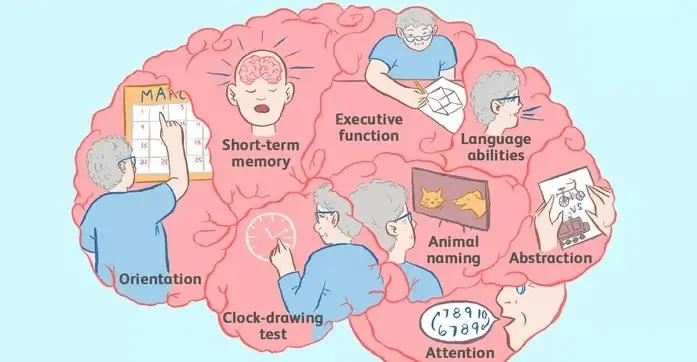
picture of a brain with regions marked by purpose

Diagnosing Alzheimer’s Disease is Serious Business

Neurology’s role in Alzheimer’s Disease: DIAGNOSIS Since we are still unable to completely make an Alzheimer’s diagnosis without an autopsy, we need ways to make the most accurate assessment with the tools currently available. and it’s the job of the Neurologist to appropriately pre-diagnose Alzheimer’s Dementia. Yet, so often the general physician feels compelled to take this on.  And most recently, we are seeing dental healthcare workers getting involved in early diagnosis as well. Our best recommendation: talk to the healthcare professional you trust most, and ask them to refer you to a neurologist who is highly adept at not only making the most accurate diagnosis, but what you can do next to slow this disease down. This article discusses the different testing methods that you will likely encounter once you start having questions yourself on changes in your ability to remember, process simple tasks or handle matters that came easy not too long ago. The Different Types of Testing to Consider The Montreal Cognitive Assessment Test [MOCA] Think snap test for Alzheimer’s Disease (just like the snap test for strep). Except, the only thing these two approaches to diagnosis share is that the time to get a result – just a few minutes. Outside of that, and especially when it comes to reliability of a positive result – the MOCA falls well behind in accuracy because it’s not based on clinical evidence (culture) but instead it is based on subjective evidence (who is testing and how that test is being conducted).  The MOCA test is a common method for diagnosing Alzheimer’s Disease that tests your ability to do a number of tasks that each of us takes for granted.  But as  the brain function becomes impaired, ordinary tasks become difficult – and we quickly learn to compensate so as not to have the deficiencies interrupt our daily lives.  Still, these are critical functions to successfully caring for ourselves. Which is why the MoCA test is a helpful clue to an astute clinician that signals something is wrong.  Low scores can actually signal other underlying brain or psychological issues, which is why this test should not be delivered by a general practitioner, but instead by a specialist who fully understands how the brain works. Neuropsychological Testing Your doctor may ask you to undergo more advanced testing to determine the extent and possible origin of your cognitive decline.  And in early – mid stage dementia, this form of testing could uncover a medical explanation for the declines.  But as these tests are long and very involved, if your loved one’s dementia is advanced, this test will only serve to frustrate him/her with little gain to the patient’s prognosis.  So be sure to discuss the pro’s and con’s of this form of testing for Alzheimer’s Dementia with your healthcare professional.   Balance Testing This is done in the clinic and is based on observation. If a doctor asks you to walk forward and backward a few times, they are looking to determine if you are experiencing symptoms with your gait. 1) Apraxia, is a condition where the cerebral hemisphere is affected, and the signals to perform a directed movement is interrupted, making it hard to fluidly move your legs as you once could. This gate is stiff and clumsy. This diagnosable condition is highly associated with early stage Alzheimer’s Dementia. Very early in the course of apraxic walking in Alzheimer’s Dementia, a cane or a walker can help. It is not uncommon to see a person go from a slow, cautious gait, to a normal walking pattern simply by taking up a cane.   2) Ataxia, on the other hand, is a condition associated with later stage Alzheimer’s when the cerebellum (the balance portion of the brain) becomes affected, and the signals that help you maintain balance is interrupted, which increases a person’s fall risk. An ataxic gait is characterized by imbalance, and abnormal, uncoordinated movements. Typically the individual can stand, but is very unsteady, taking small irregular steps as they struggle with depth perception when it first appears. A Neurologist is very adept at viewing one’s gate and determining what might be going on. Laboratory Testing Lab testing can help determine whether you have the proteins associated with Alzheimer’s in your blood and in our spinal fluid, whether you are experiencing one of the hallmark symptoms of this disease (swelling/inflammation), if you are exhibiting issues with balance that often accompany Alzheimer’s or if you have a genetic risk or predisposition for this condition. PROTEIN ANALYSIS: BETA-AMYLOID TESTING (can be done with blood or CSF): In diagnosing Alzheimer’s Disease, it is now possible to detect Beta-Amyloid proteins in the CSF fluid. This is a very invasive testing method that comes with certain risks.  Identifying Amyloid protein in the CSF indicates that there is an active infection in the brain.  Whether it’s due to P. Gingivalis or another organism cannot be determined, but it is a new tool that can help rule out infection as well.   INFLAMMATORY TESTING (is done with blood): As Alzheimer’s is a disease of inflammation, it would be wise to check these two markers to see if (and how much) inflammation you may have:1) CRP – C-reactive protein – this simple test can be done at little expense.  It is an inflammation marker that signals to the clinician that somewhere in the body or brain, an inflammatory process is underway.   2) ESR – erythrocyte sedimentation rate – this is another simple test that can be done at little expense.  It is also an inflammation marker that signals that somewhere  in the body or brain, an inflammatory process is underway.  Different from the CRP, this test is more sensitive and real time.  Taken together, an elevated CRP and ESR signals there is something causing inflammation that needs to be addressed now. GENETIC TESTING (is done with blood): APOE 4 / APOE 3 TESTING can determine whether you have the genes that have been linked to Alzheimer’s susceptibility.  This test costs $125.00

Diagnosing Alzheimer’s Disease is Serious Business Read Post »

brain holding a carrot and broccoli

Mind Your Fuel – Diet is a critical component to preventing Alzheimer’s

If you want to decrease your chances of contracting Alzheimer’s, then it’s critical that you eat a well-balanced, low-to-no-sugar, diet that pulls mainly from whole foods (meaning not processed like, say a frozen meal).  Fruits and Vegies, which are high in fiber, should be a focal point of every meal, along with reasonable portions of lean meat and fish – or legumes and nuts for those choosing a more vegetarian or vegan lifestyle.   Back in 2015 (so not too long ago!) a researcher in the fields of nutrition and epidemiology came up with a diet that brings all this together.  Called the MIND diet, which is short for Mediterranean-DASH Intervention for Neurogenerative Delay diet, this approach to nutritious eating basically combined the best aspects of the Mediterranean diet with the Dietary Approaches to Stop Hypertension (DASH) diet.  Intended to slow the cognitive decline that comes with aging, the MIND diet continues to rise to the top as the best diet for preventing and slowing Alzheimer’s Disease.  The MIND diet is a unique version of the Mediterranean diet protects the brain and can help in preventing Alzheimer’s Disease.  Next up: limit your sugar intake We aren’t talking complete elimination of all sugar, but being aware of your intake and reducing unnecessary sugar intake helps reduce inflammation and over all acidity – both of which are a benefits of our Alzheimer’s Prevention Strategy.  Read product labels – you don’t need sugar in your ketchup.  You don’t need sugar in your bread.  Use healthier alternatives like honey when possible (which is a natural antibiotic).  Over time, you’ll crave sweets less and eventually you will actually begin to prefer savory foods over goodies like cake and ice cream.   Probiotics are a key ingredient in many Mediterranean Diets from around the world…here’s why: Another part of our Alzheimer’s Prevention Strategy is the deliberate incorporation of good bacteria into your diet.  And If we could buy stock in this company, we would.  This particular Probiotic, called Kefir, which is found in the yogurt section of most grocery stores, has the single best pro-biotic to fight Alzheimer’s Disease – Lactobacillus Planetarium.  We discovered Kefir when we looked at the variety of Mediterranean Diets out there to see if any version stood out with better outcomes.  After a lengthy review, we discovered that the regions that incorporate Kefir in their diet had the lowest Alzheimer’s incidence – hands down.  Looking deeper into why this is the case, we discovered that L. Planetarium (the main bacteria contained in the Kefir product pictured here) eats up the food source for all the bad bacteria that causes IBS and can possibly cause Alzheimer’s – which is a natural way to defend yourself that protects both the gut and the brain. For those of us who cannot tolerate dairy, Gut Belly  makes a dairy free pill option:  https://shop.goodbelly.com/mango-juicedrink-32-oz Another great tip: Change your oil to Olive Another great Alzheimer’s Prevention Strategy that’s very easy to incorporate into your diet is substituting butter and margarine with Olive Oil when possible.  In fact, across the board, all researchers agree that the Olive Oil found in the Medi-diet is a crucial ingredient to great brain health and placidity.  As with everything, moderation is key.  Eating fish twice weekly – limit red meat is also considered very brain-healthy And our final Alzheimer’s Prevention Strategy is to consider adding Fish and seafood to your diet. As with olive oil, wild-caught fish is high in Omega-3 fats, which has been proven to be very protective for our brains. Not so much with farm-raised fish (which is indicated on all packages now). Farm-raised fish is actually high in the wrong fat – Omega-6 – which is actually harmful to us. Eating fish at least twice a week as your protein is not only brain smart, but belly beneficial.  Try Tuna in the can, or Salmon, Cod or Tilapia, Shrimp, Scallops – the good-for-you options are so vast and exciting!   

Mind Your Fuel – Diet is a critical component to preventing Alzheimer’s Read Post »

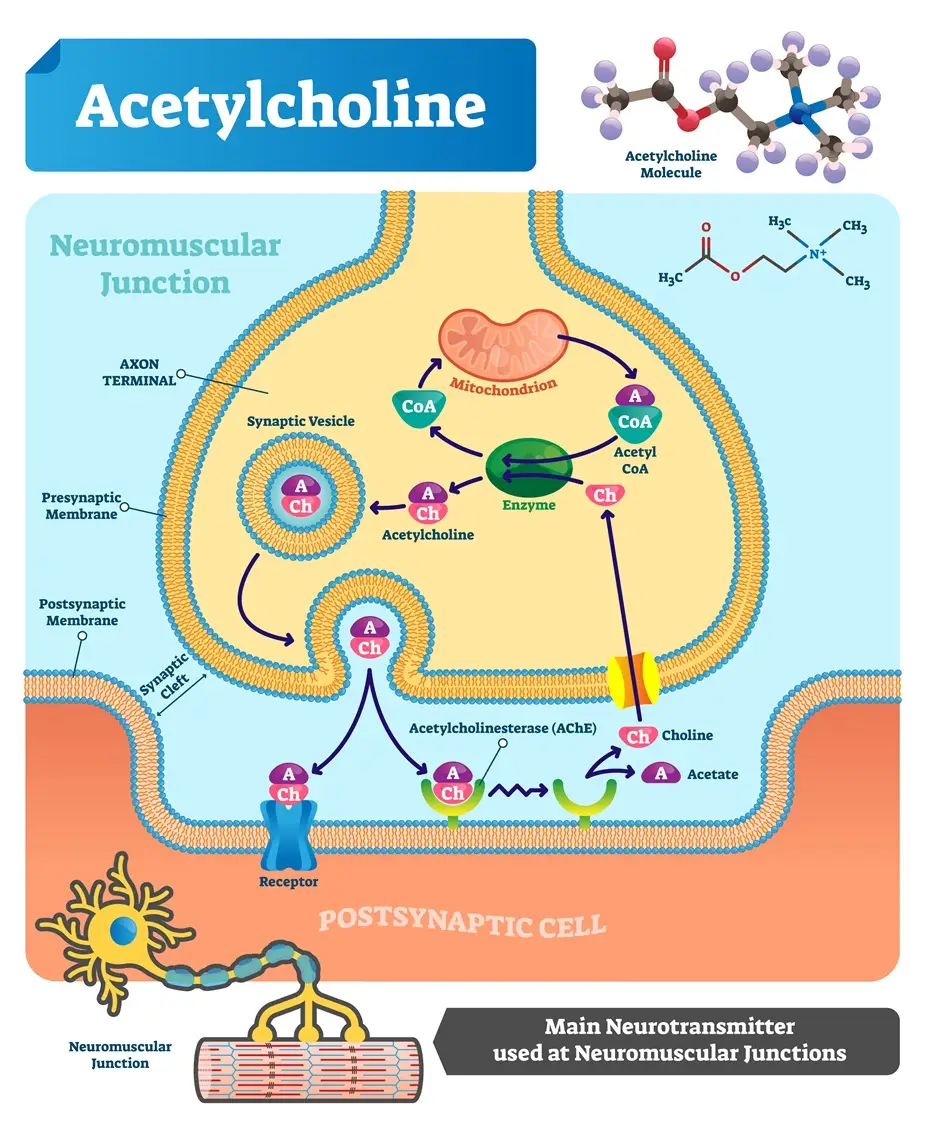
diagram of a nerve synapse

Donepezil doesn’t treat Alzheimer’s, it helps reduce the inflammation associated with Alzheimer’s

Donepezil is one of the most widely prescribed drugs for the treatment of Alzheimer’s.  Its basis in medicine started back in 1976 when two researchers discovered a marked reduction in the activity of enzymes involved in the metabolism of the neurotransmitter Acetylcholine in brains of deceased patients with Alzheimer’s Disease (AD). This finding led to the hypothesis that AD was caused by a “cholinergic system failure.” At the time, the best educated guess to remedy this theorized failure was to synthesize a new class of reversable Acetylcholinesterase inhibitors – one of which was Donepezil – that were trialed and eventually approved for widespread use for the treatment of AD. What we found a bit unnerving (no pun intended) is that nerve gas is also considered an Acetylcholine inhibitor. As are most insecticides. The main difference between acetylcholine inhibiting drugs like Donepezil and insecticides like “Raid” is whether the drug is “reversible” or “irreversible” – a condition that boils down to the chemical structure of the acetylcholine inhibitor. Here’s a table that says it all. Our point in bringing this up is to clarify that Donepezil IS NOT NERVE GAS but that it is not a benign drug.  It is affecting the single most prevalent neurotransmitters in our body controlling muscle movement. Unfortunately, years after the 1976 discovery, Acetylcholine inhibitors like Donepezil ended up not being the home run researchers expected. In fact, from the literature, it appears these drugs are barely a base hit. Studies (and there have been lots of them) show that Donepezil provides nominal improvements to cognition and with lots of potentially troublesome side-effects in the Short Term. More importantly, there are warnings after warnings indicating that this type of drug should not be used Long Term.  Which raises the question of: were the scientists back in 1976 wrong? What if the reduction in enzyme activity is not due to a lack of cholinergic cells? What if it’s due to something else – like the blocking of signals by a self-preservation process within the brain? The real fact is: we still don’t know what is causing the synaptic loss in Alzheimer’s brains. What we do know is that cholinesterase inhibitors are proving to not be the utopic solution we initially thought they were. Still, Donepezil has been proven to provide a very slight cognitive improvement at the start of treatment. Which begs the question of “why”? So back to the literature we went and were not surprised to find that this class of drugs has recently been found to exhibit anti-inflammatory properties!  This completely supports our hypothesis and further supports my dad’s very compelling story And this makes sense as scientists have now come to the realization that AD is a disease of inflammation – so of course a drug that reduces inflammation – even just a little – will have a positive impact on the patient.  Here are just a few places where we are seeing references to the anti-inflammatory properties of Donepezil: Study 1: “Our data suggested that the anti-inflammatory effects of donepezil may be a novel mechanism on treating EAE and provided further insights to understand the donepezil’s neuroprotective activities in MS.” Study 2: “suggesting that DZ [Donepezil] directly prevents systemic inflammation.” Study 3: “Recently, anti-inflammatory and neuroprotective effects of the drug have been reported. “Cholinergic anti-inflammation pathway” has major implications in these effects.” We have firsthand experience with Donepezil. My dad – Dr. Crandall – took it for quite a while, and saw no cognitive improvement at the initial 5 mg dose and just a little at the 10mg. When he finally stopped taking it, we did see a little cognitive drop, which was quickly remedied by a 5 mg increase to his prednisone. But what was most interesting is that when dad stopped the Donepezil, we saw an improvement to his gate. This made us stop and think: is it possible the Donepezil had caused his jerky gate?  How about other tell-tale signs of dementia that care-givers keep looking for: motion disturbances, balance issues/frequent falls, incontinence, tiredness/fatigue?  From what we are learning, all of these could be explained by changes to the parasympathetic system. And Doneprezil is altering a crucial neurotransmitter of the parasympathetic system. And since no one has conducted a study on how this drug affects people after long term use – how do we really know if these physiologic changes are really the disease’s progression or actually the drug designed to slow the progression of the disease?  Another thought we had, which will never be answered is: what would have happened if dad hadn’t been on steroids when he started Donepezil?  Would he have experienced a bigger “bump” in cognition like others have reported when initially starting this drug?   ARICEPT®(donepezil hydrochloride) Tablets, for Oral Administration DESCRIPTION ARICEPT (donepezil hydrochloride) is a reversible inhibitor of the enzyme acetylcholinesterase, known chemically as (±)-2, 3-dihydro-5, 6-dimethoxy-2-[[1-(phenylmethyl)-4-piperidinyl]methyl]-1H-inden-1-one hydrochloride. Donepezil hydrochloride is commonly referred to in the pharmacological literature as E2020. It has an empirical formula of C24H29NO3HCl and a molecular weight of 415.96. Donepezil hydrochloride is a white crystalline powder and is freely soluble in chloroform, soluble in water and in glacial acetic acid, slightly soluble in ethanol and in acetonitrile, and practically insoluble in ethyl acetate and in n-hexane. Notice the molecular weight (416 g/mol). From our experience, it’s a bit big for all of the drug to bust through the BBB – see our earlier post on antibiotics and molecular weight to see why we even mention this… Which means this common Alzheimer’s medication, or most of it, may not be getting into the brain and instead is relegated to run freely in the patient’s body. And since it’s method of action works on neurotransmitters critical to our parasympathetic system, while we are using the drug to (hopefully) improve brain function, we will also be inadvertently affecting bodily functions of heart rate, digestion, sweating, tearing, breathing, and muscle movement. Wow. When dad didn’t respond much to the drug, his prescribing doc told us that sometimes it takes a while for

Donepezil doesn’t treat Alzheimer’s, it helps reduce the inflammation associated with Alzheimer’s Read Post »

Scroll to Top
Curing Alzheimer’s Disease Foundation official logo.